This entry was posted on domingo, enero 6th, 2013 at 19:47 and is filed under Etnopaisaje. You can follow any responses to this entry through the RSS 2.0 feed. You can leave a response, or trackback from your own site.

Un animal presuntamente extinto podría estar vivo aún.A presumably extinct animal could still be alive
……………
Un animal presuntamente extinto podría estar vivo aún
……..
………
A presumably extinct animal could still be alive
,……..
…
……….
………….
.Etnopaisaje.com
………
…
..
..
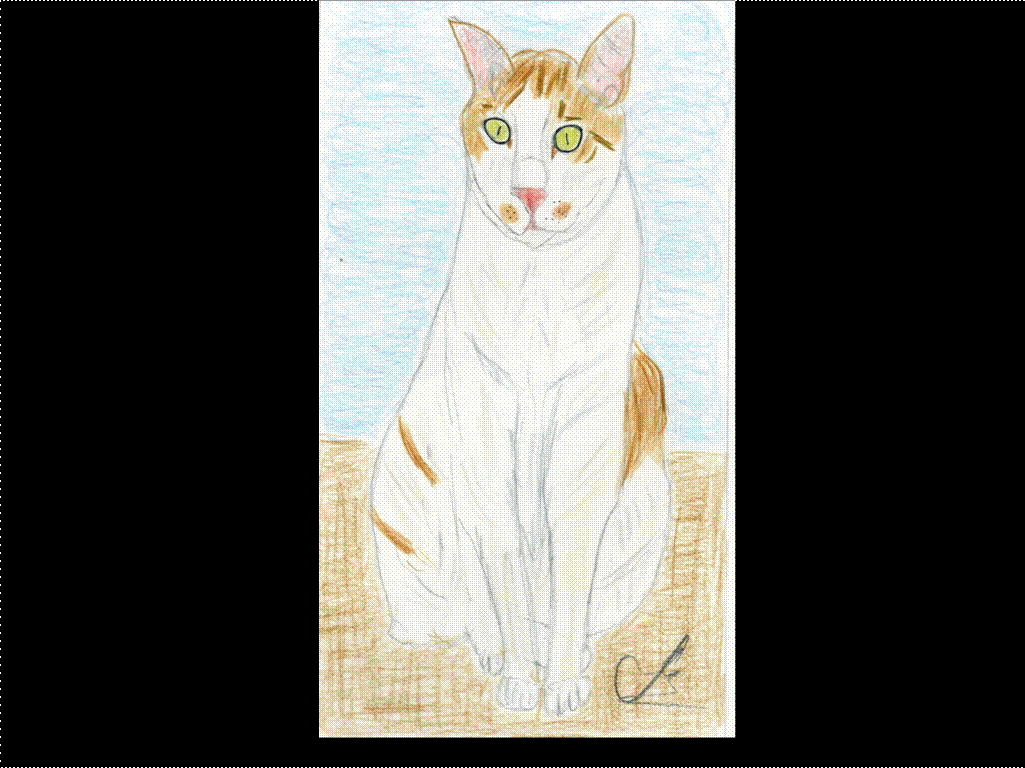
Dibujo por Matias Mayor López
………
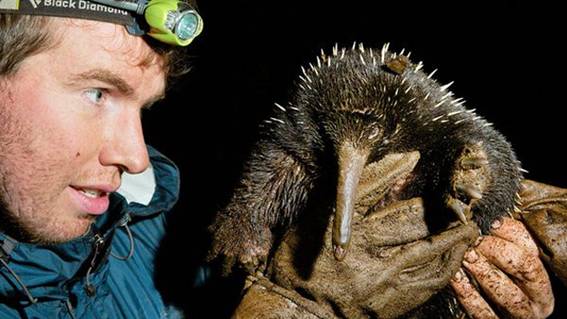
Hasta hace unos años se pensaba que esta especie se había extinguido totalmente
………..
……………
……
El equidna de hocico largo, un mamífero raro que pone huevos, que hasta hace poco se pensaba que estaba extinto desde el último período glacial, podría seguir viviendo en Australia
……………
A diferencia del equidna de hocico corto, típico en Australia, el animal de hocico largo se creía desaparecido desde hace 30.000 o 40.000 años, pero hace unos años lo descubrieron en Nueva Guinea. Ahora puede ser que en Australia también siga viviendo escondido, según un estudio reciente
………….
…….
La hipótesis surgió cuando los científicos descubrieron que en el Museo de Historia Natural de Londres había un animal de esta especie disecado . El animal fue capturado en Australia en 1901 por el naturalista John Tunney en una expedición.
……..
…………
Al entender que la existencia del animal fue registrada hace muy poco en términos globales, los investigadores contactaron con las comunidades indígenas de la región donde capturaron al animal. Algunas mujeres indígenas recordaron haber visto a sus padres cazar equidnas de hocico largo. «Recordaron que había equidnas que eran más largos, y reconocieron las fotos de los equidnas de Nueva Guinea», cuenta Kristofer Helgen, zoólogo del Instituto Smithsoniano en Washington, EE.UU.
……
………..
Este descubrimiento puede señalar que el animal podría habitar en Australia y los científicos necesitan emprender una expedición para hallarlo, destaca Helgen. No será una misión fácil, porque el animal lleva una vida nocturna y en caso de peligro se hace un ovillo y pasa inadvertido al confundirse con el terreno.
…….
……………….
El hallazgo cambia drásticamente las ideas de los científicos sobre la vida de este animal , comenta Christopher Norris, del Museo Peabody de Historia Natural de Yale, porque las tierras áridas y rocosas de Australia son muy diferentes de la selva de Nueva Guinea donde vive este especie de equidna amenazado de extinción.
….
…………………….
The Echidna’s long snout, a rare mammal that lays eggs, which until recently it was thought that it was extinct since the last glacial period, could continue living in Australia.
…..
…..
………..
Unlike the snout short, typical in Australia Echidna, long snout animal believed disappeared 30,000 or 40,000 years ago, but a few years ago they discovered him in New Guinea. Now it may be that in Australia also continue living hidden, according to a recent study.
….
…………..
The hypothesis emerged when scientists discovered that there was a stuffed animal of this species in the Museum of Natural history in London. The animal was captured in Australia in 1901 by the naturalist John Tunney in an expedition
……………….
To understand that the existence of the animal was registered very recently in global terms, the researchers contacted the indigenous communities of the region where captured the animal. Some indigenous women recalled having seen their parents hunt long snout echidnas. «They recalled that there were echidnas which were longer, and recognized the photos of the New Guinea echidnas», features Kristofer Helgen, zoologist at the Smithsonian in Washington, USA.UU.
……….
……….
This discovery may point out that the animal could live in Australia and scientists need to undertake an expedition to find him, stresses Helgen. It won’t be an easy mission, because the animal has a nightlife and in case of danger becomes a ball and passes unnoticed to confused with the ground.
……….
…………..
The discovery changes drastically the ideas of scientists about the life of this animal, says Christopher Norris, of the Peabody Museum of Natural History at Yale, because the arid and rocky lands of Australia are very different from the jungle of New Guinea where she lives this species of Echidna threatened of extinction.
…….
……………………